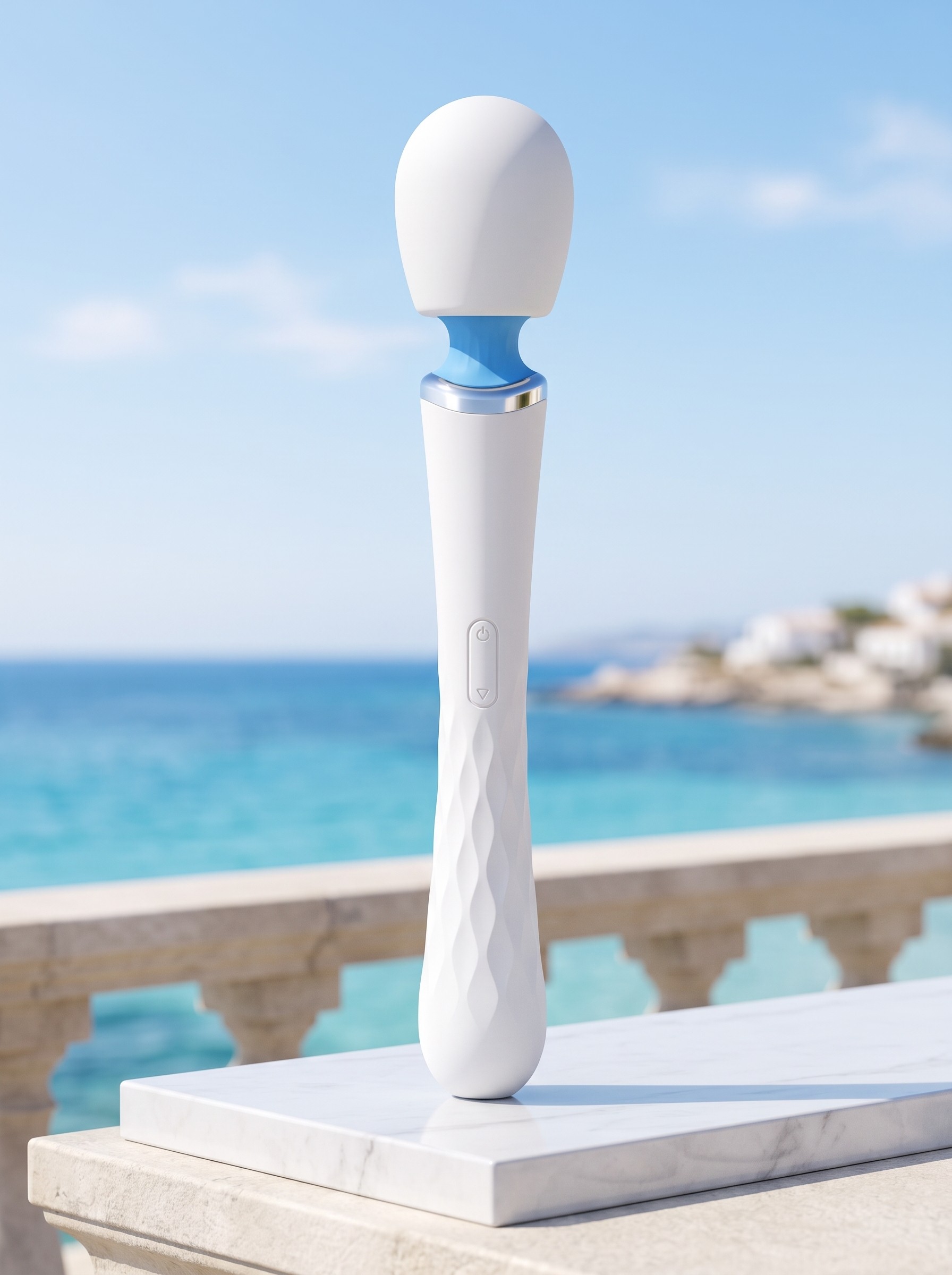
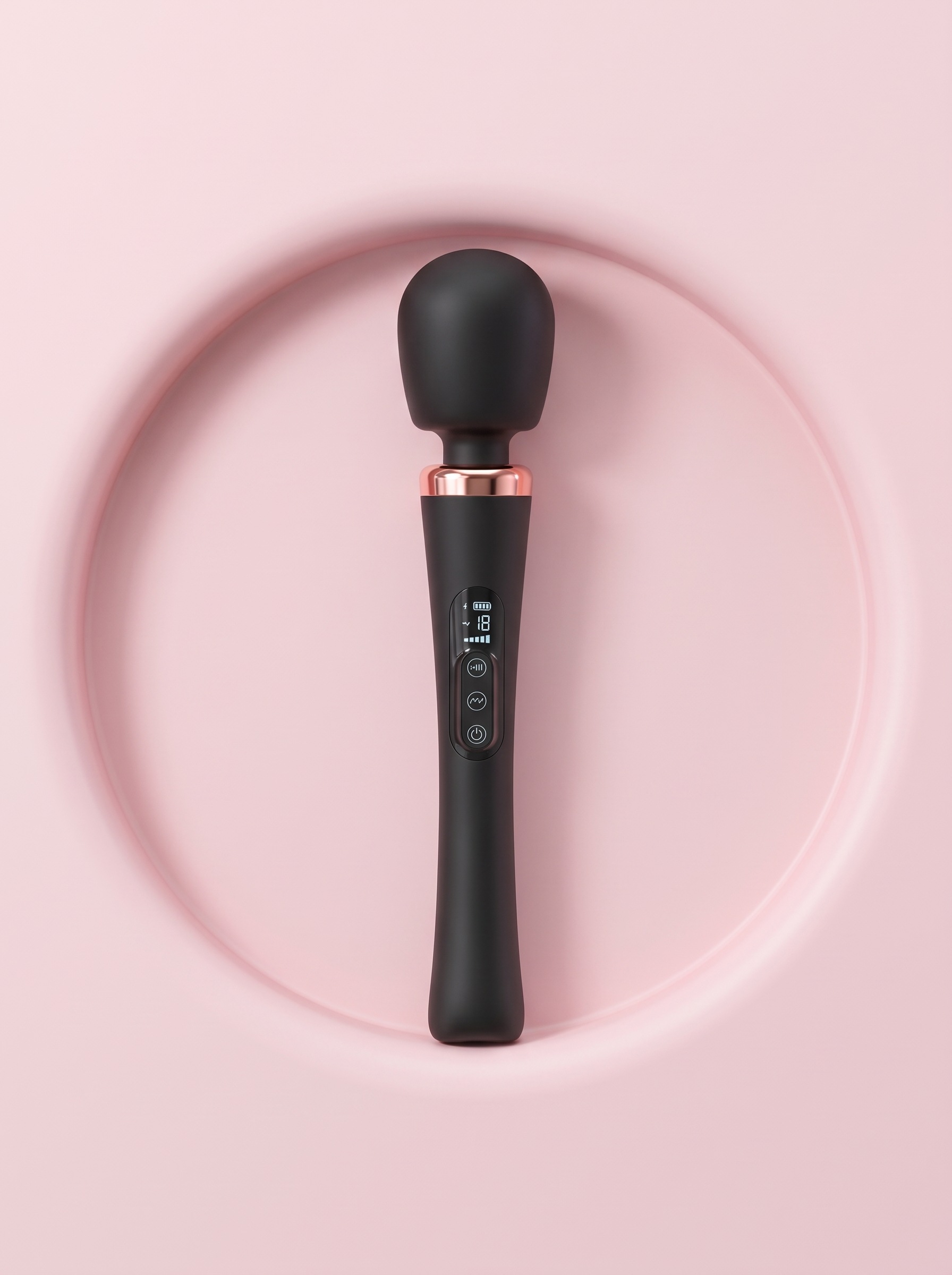
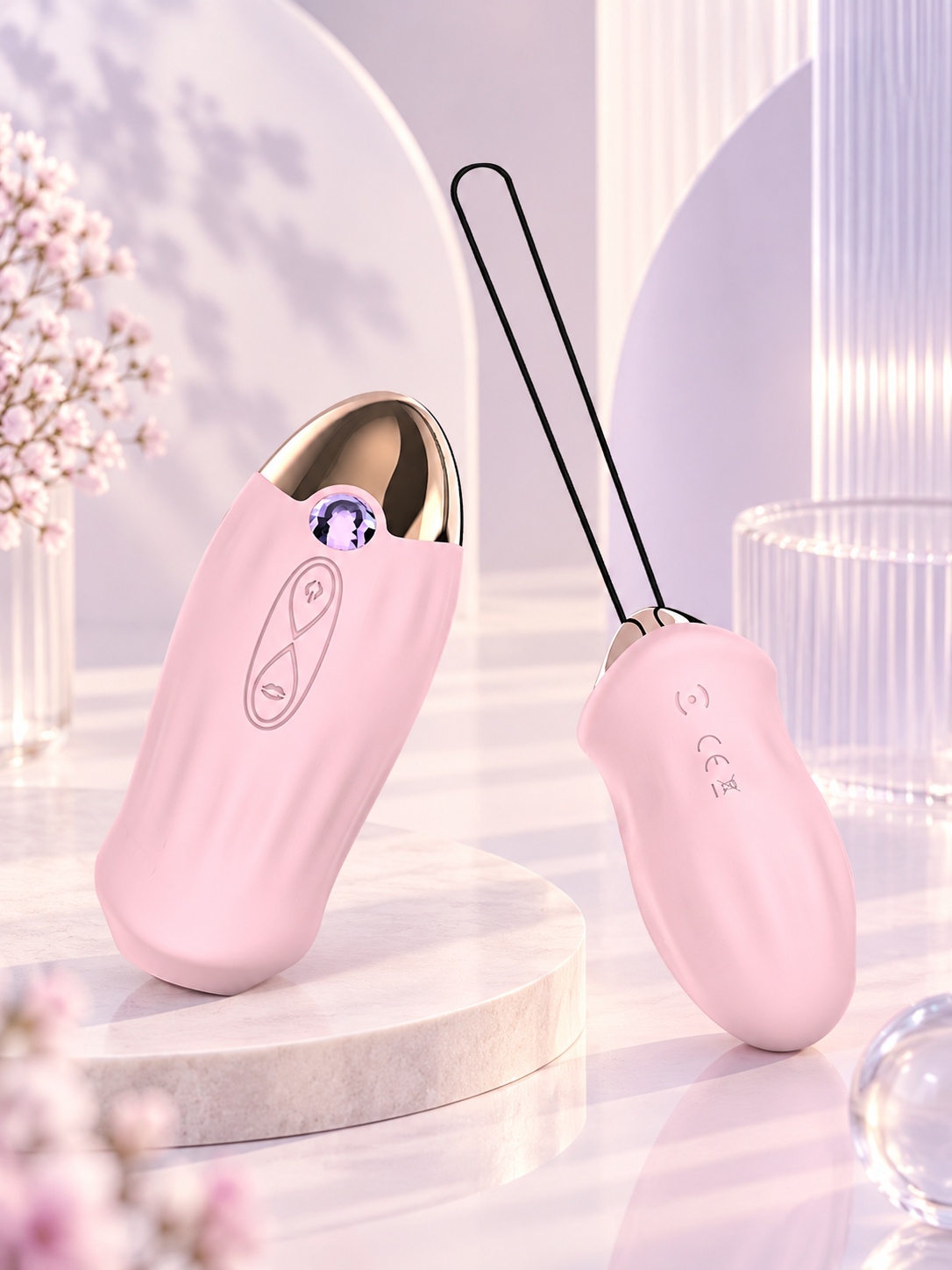
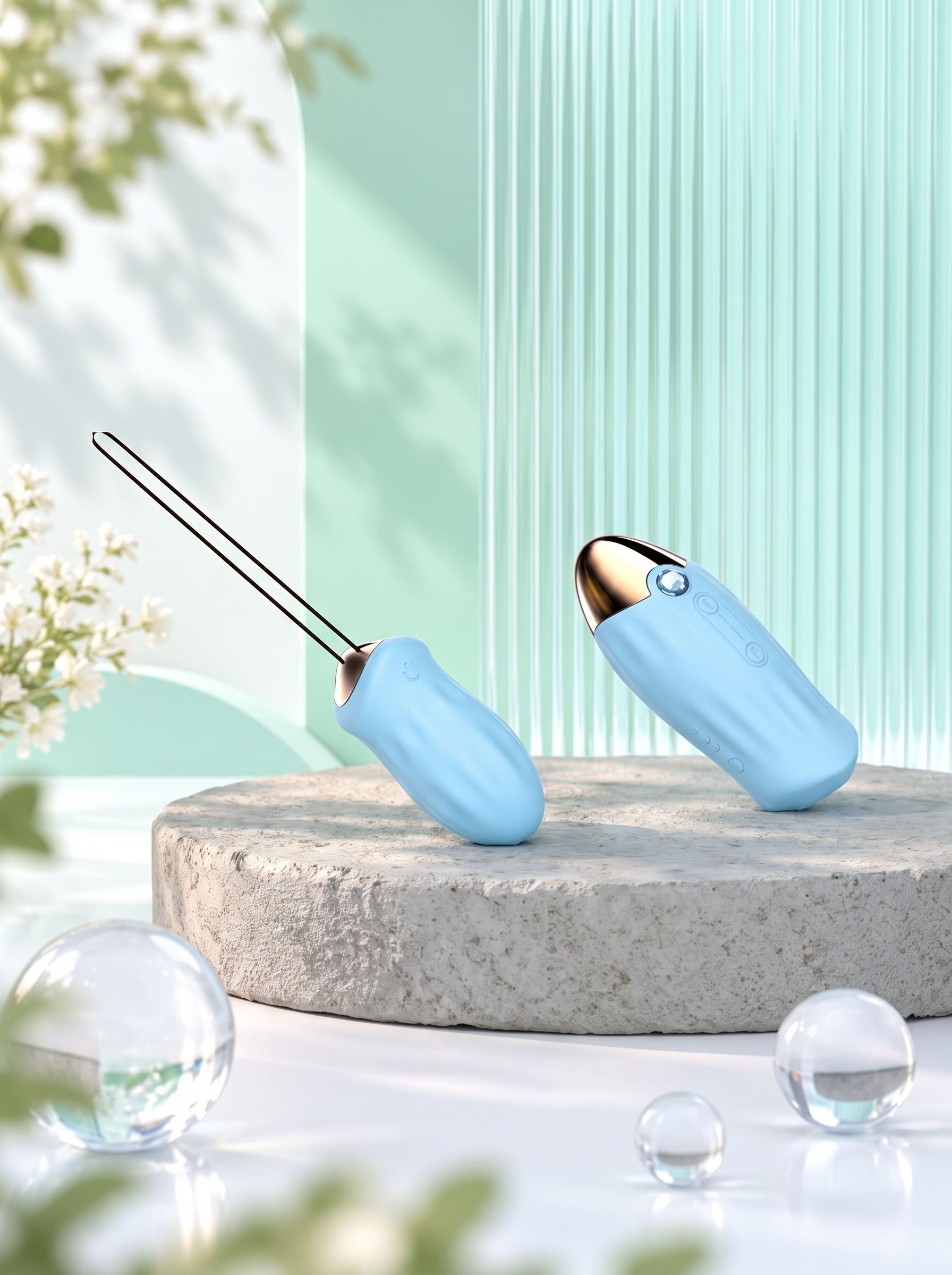
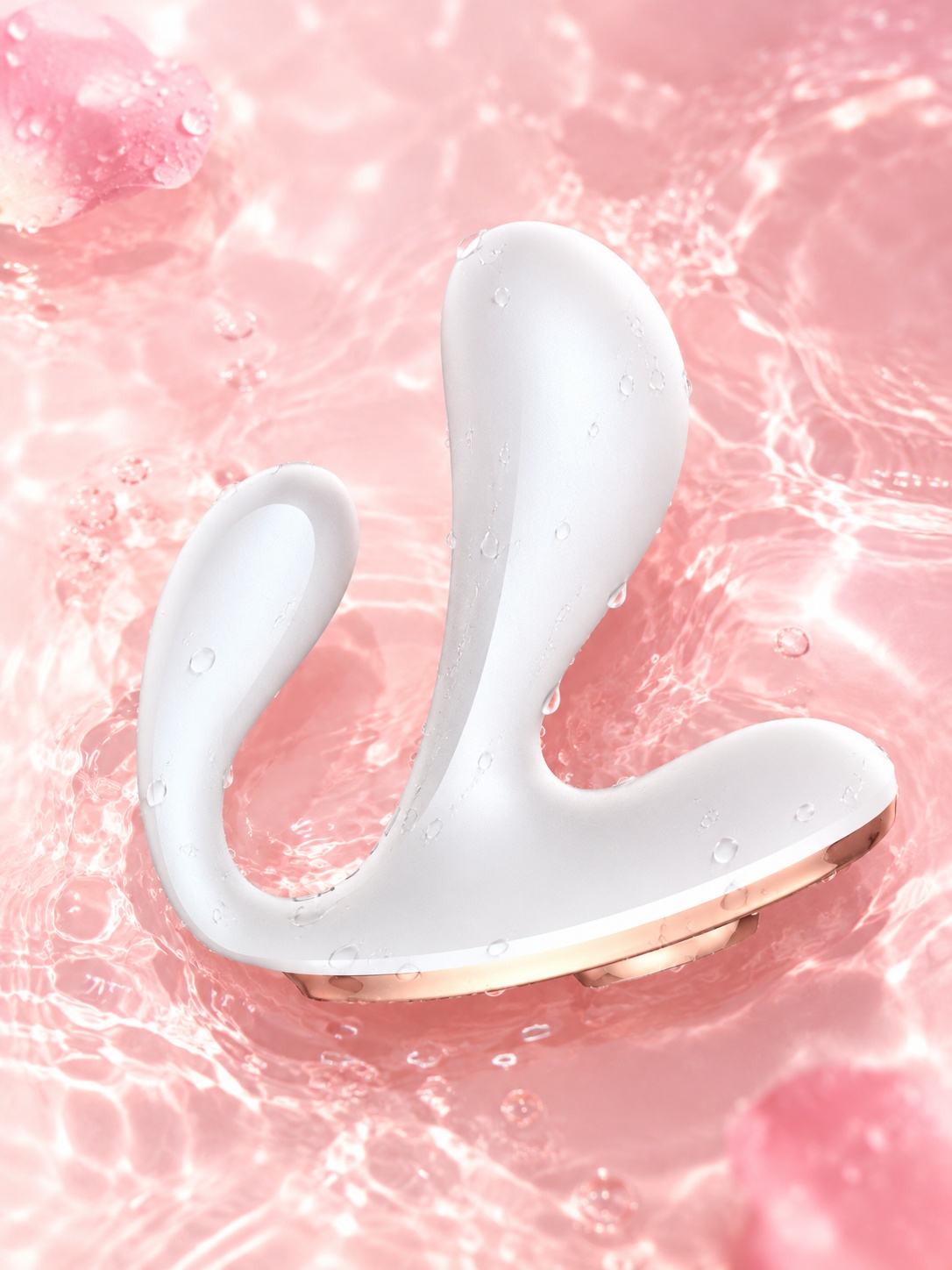
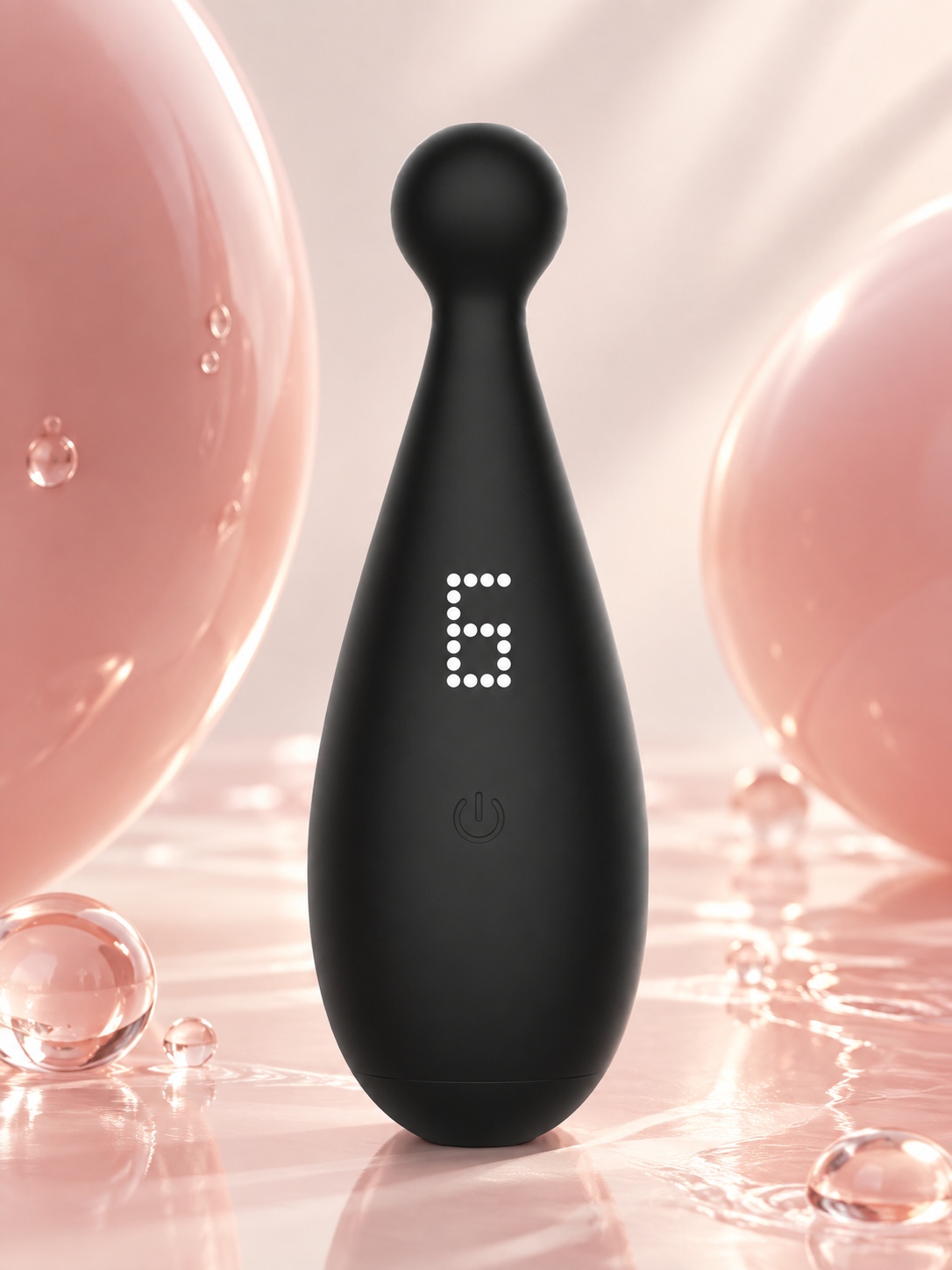
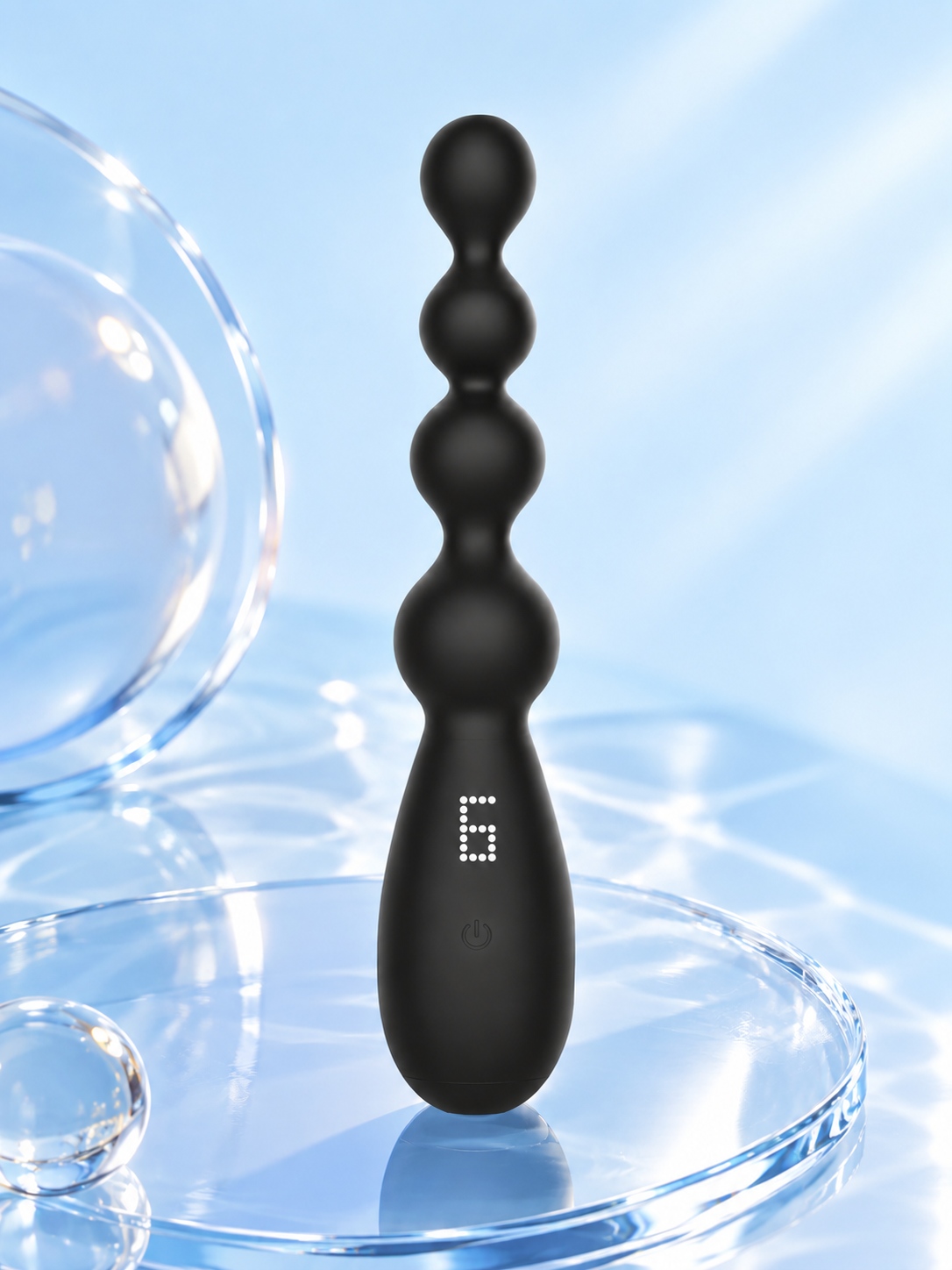

For many years, product development in the sexual wellness industry followed a relatively simple formula: add more vibration modes, increase motor power, introduce a new color, or change the shape. That approach is becoming less effective.
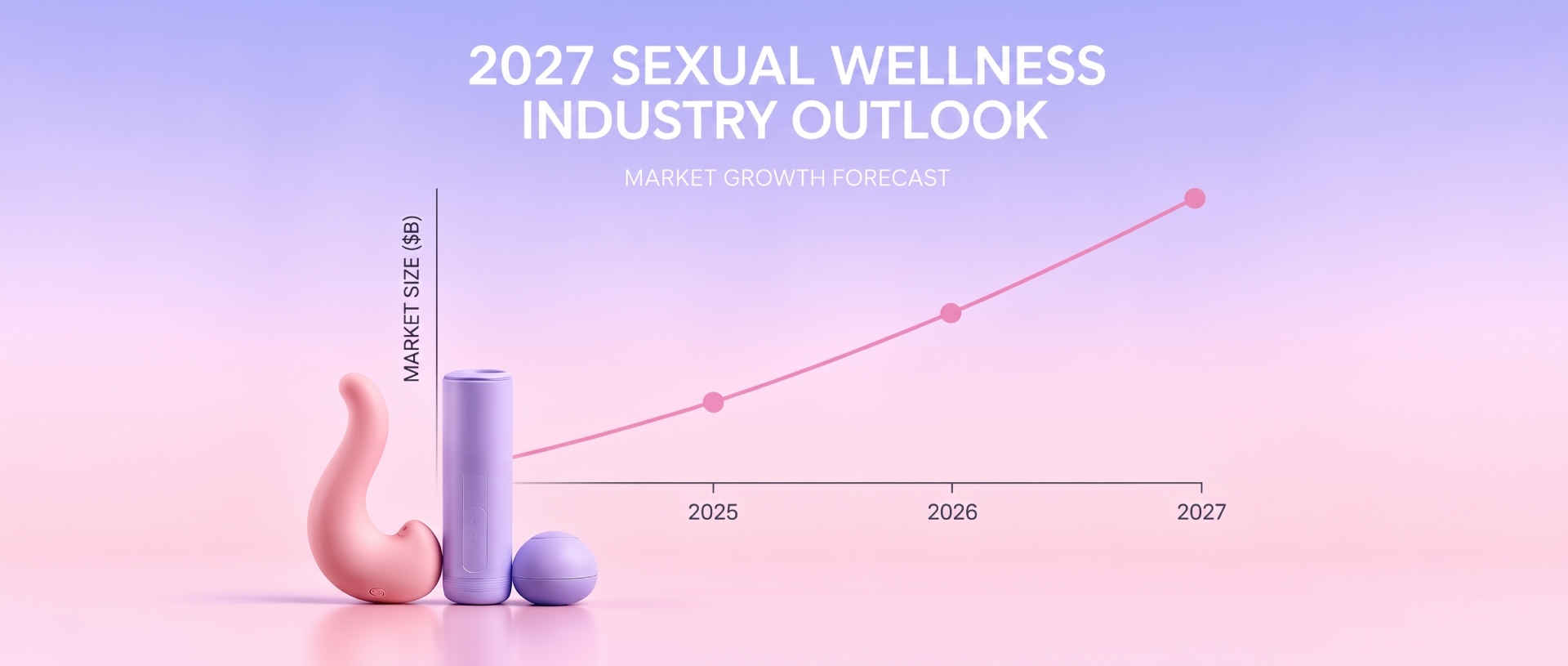
As the global sexual wellness market matures, consumers have access to more products than ever before. For brands, distributors and retailers, this creates a new challenge: how do you create meaningful product differentiation when basic functions are becoming increasingly similar?
At FUNVEN, we believe the next generation of successful sexual wellness products will be defined less by the number of features they offer and more by the quality of the overall product experience.
More Functions Do Not Always Mean a Better Product
A product with 20 vibration modes is not automatically better than one with 10. A stronger motor does not automatically create a better sensation. And adding an app does not automatically make a product smart.
Consumers experience a product as a complete system. Shape, material, vibration transmission, noise, controls, charging, ergonomics and even cleaning all influence whether a product feels premium and intuitive.
For product developers, this means asking a different question. Instead of "What else can we add?", we should ask: "What can we improve?".
1. Ergonomics Should Start Before Styling
An attractive product may generate the first click, but ergonomics determine whether consumers want to keep using it.
For handheld products, designers need to consider grip position, weight distribution, button accessibility and operating angles. For wearable or body-contact products, factors such as dimensions, flexibility, contact surface, pressure distribution and material hardness become even more important.
Good industrial design therefore needs to balance visual identity with real-world usability. At FUNVEN, we believe ergonomic evaluation should begin during the concept and structural development stages rather than being treated as a final adjustment.
2. Motor Position Matters as Much as Motor Power
Vibration performance is one of the clearest examples of why specifications alone do not tell the complete story. Two products using similar motors can produce noticeably different user experiences.
Because vibration is influenced by:
- Motor type and performance
- Motor location
- Product structure
- Silicone thickness
- Internal component positioning
- Contact area
- Product rigidity
- Vibration transmission path
The goal should not simply be to create the strongest possible vibration. The goal is to deliver vibration where it matters, with the right intensity and sensation.
3. Material Experience Is Becoming Part of Brand Experience
Silicone is widely used in modern sexual wellness products, but not all silicone experiences feel the same. Material hardness, surface texture, coating, wall thickness and structural support can significantly change how a product feels in the hand and against the body.
Consumers increasingly associate soft-touch materials, smooth transitions and well-controlled surface finishes with higher product quality. For premium product development, material selection should therefore be considered alongside industrial design rather than after it.
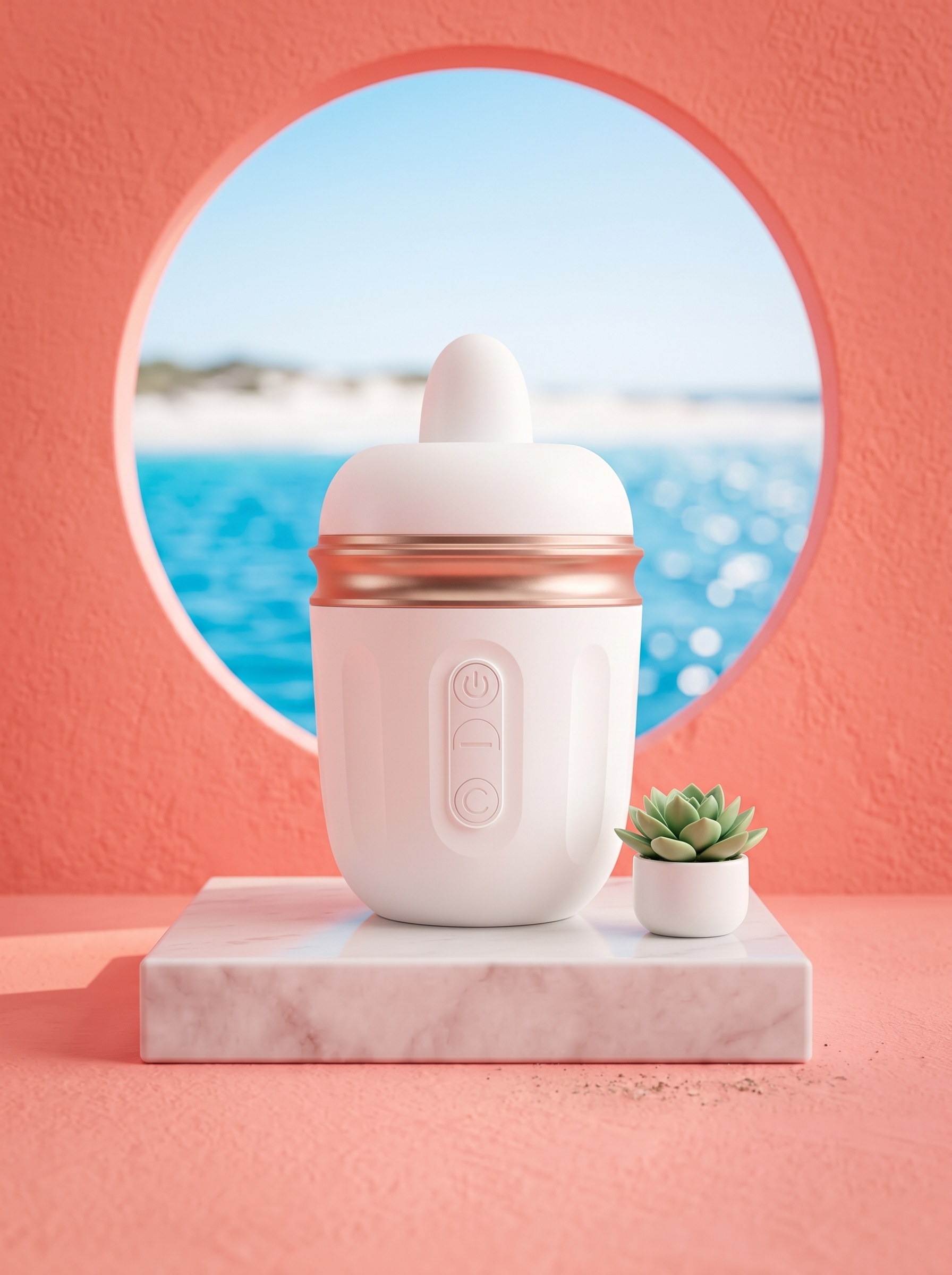
4. Simpler Controls Can Create Better Experiences
More buttons and more functions can sometimes create unnecessary complexity. Consumers should be able to understand the basic operation of a product quickly, even before reading the full manual.
Button position, tactile feedback, indicator lights, mode switching and power controls all contribute to usability. For smart products, the same principle applies to software: technology should reduce friction — not create it.
5. Charging, Noise and Waterproofing Are No Longer Small Details
Some of the most common differences between an average product and a well-developed product are found in details that are rarely visible in marketing images.
How easy is the product to charge? How secure is the charging connection? How long does the battery last? How loud is the product at higher vibration levels? Can the product be cleaned easily? Does the waterproof structure remain reliable after repeated use?
These may appear to be engineering details, but to the consumer they are part of the product experience. For B2B buyers, they can also influence product reviews, return rates and long-term brand reputation.
6. Visual Identity Still Matters
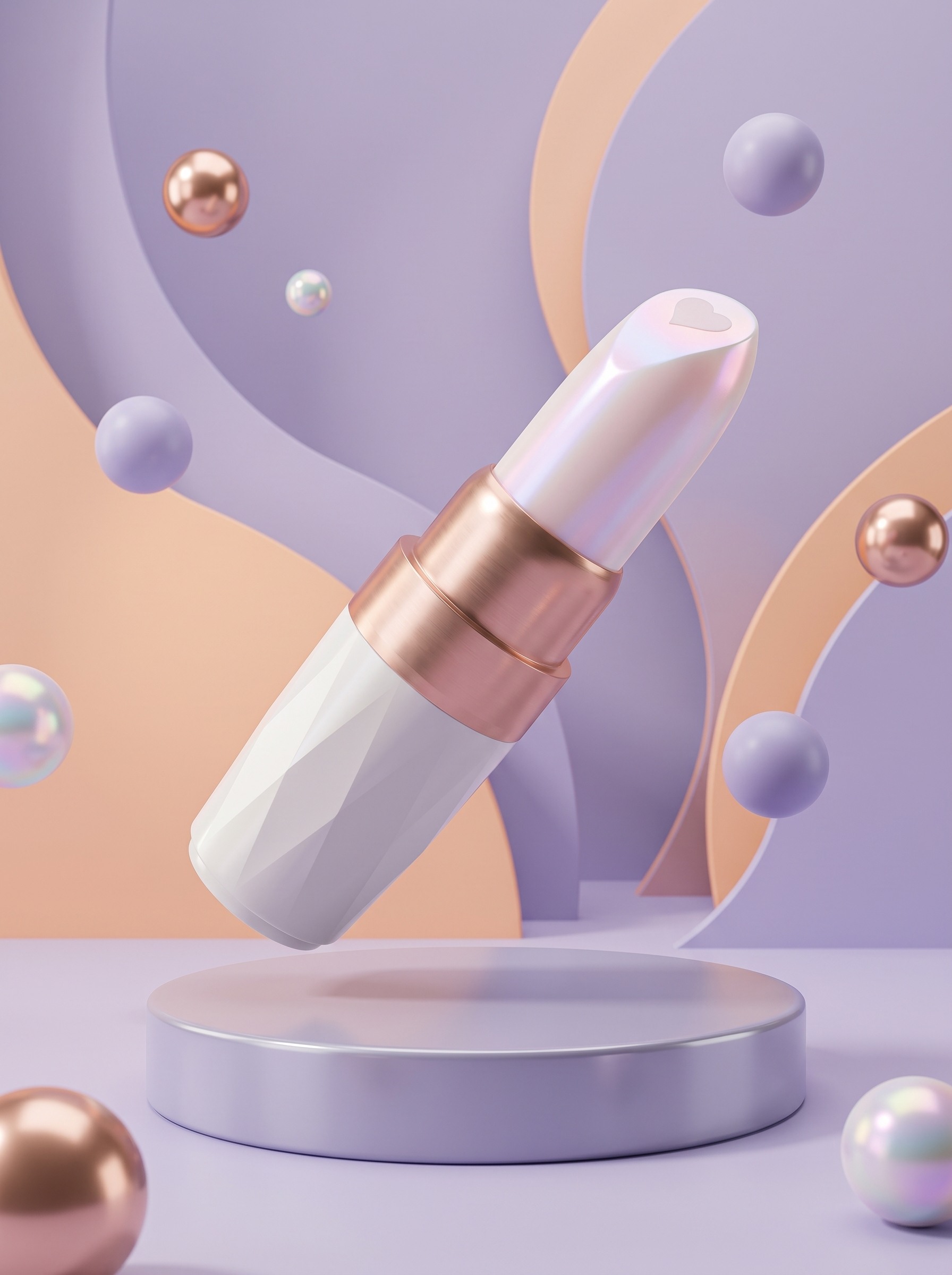
Sexual wellness products are increasingly entering mainstream lifestyle, beauty and wellness environments. This means product appearance needs to evolve as well.
Clean forms, sophisticated colors, discreet design language and recognizable product families can help brands create stronger shelf and online identities. Rather than designing isolated products, brands may increasingly benefit from developing coherent product families with shared visual DNA.
7. Design for the Entire Product Journey
Product experience does not begin when the motor starts. It begins when the consumer first sees the product. Packaging, unboxing, first touch, charging, operation, cleaning, storage and repeated use are all part of the journey.
For brands developing new products, evaluating this complete journey can reveal opportunities that specifications alone cannot. A small improvement in grip comfort, button placement or cleaning convenience may sometimes create more value than adding several additional functions.
What Does This Mean for B2B Buyers?
When evaluating a new sexual wellness product, buyers may benefit from looking beyond the specification sheet.
- Instead of asking "How many vibration modes does it have?", consider asking "How does the vibration feel?"
- Instead of asking "What material is it made from?", ask "How does the material interact with the structure and user experience?"
- And instead of asking only "What is the price?", ask "What gives this product a reason to exist in our assortment?"
These questions can lead to better product decisions.
From Supplier to Product Development Partner
The role of the supply partner is also changing. Brands increasingly need more than catalogs and quotations. They need partners who can participate in product selection, design optimization, engineering communication, material decisions, quality management and production execution.
At FUNVEN, our product development approach focuses on balancing: Design · Function · Ergonomics · Quality · Manufacturability · Market Relevance.